Fun fact: if a snake has the work “king” in its name, that means it eats other snakes.
This is a Desert Kingsnake, the most common variety of kingsnake in Texas.
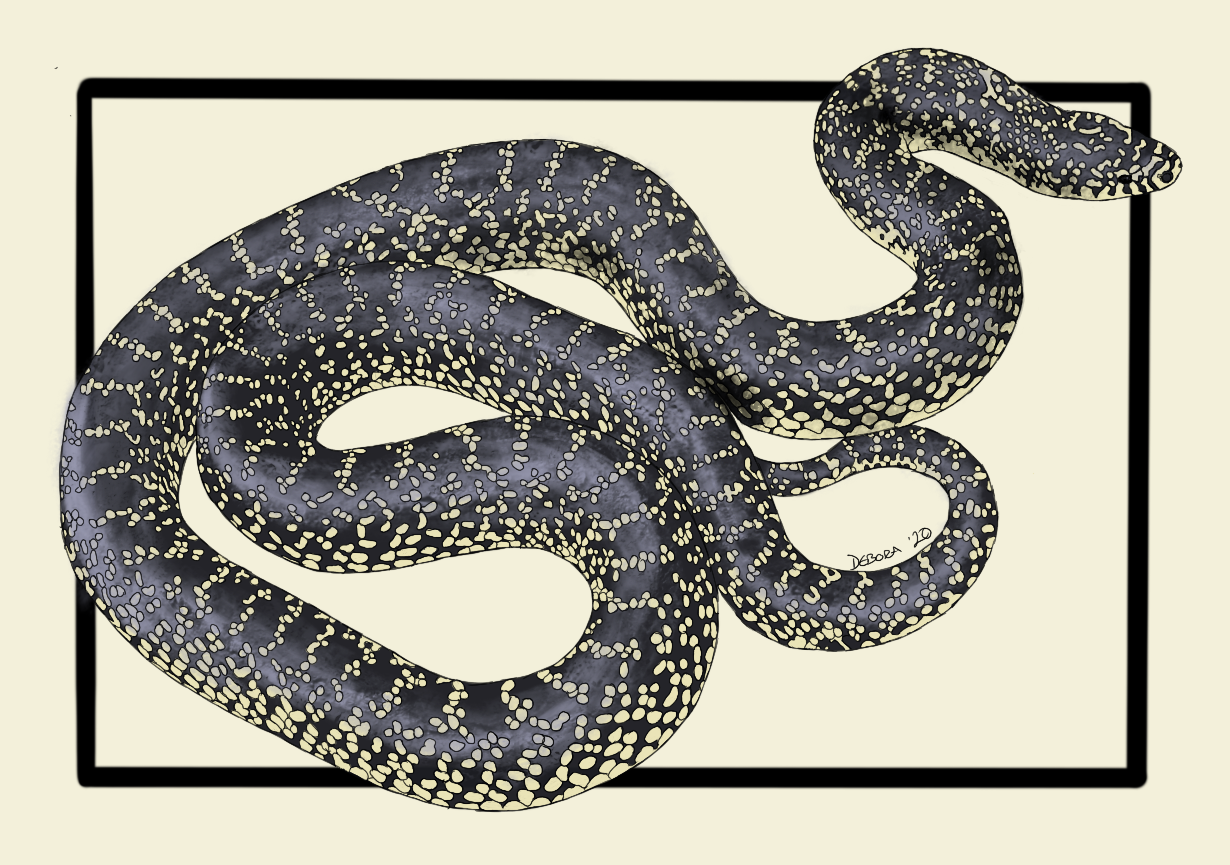

Fun fact: if a snake has the work “king” in its name, that means it eats other snakes.
This is a Desert Kingsnake, the most common variety of kingsnake in Texas.
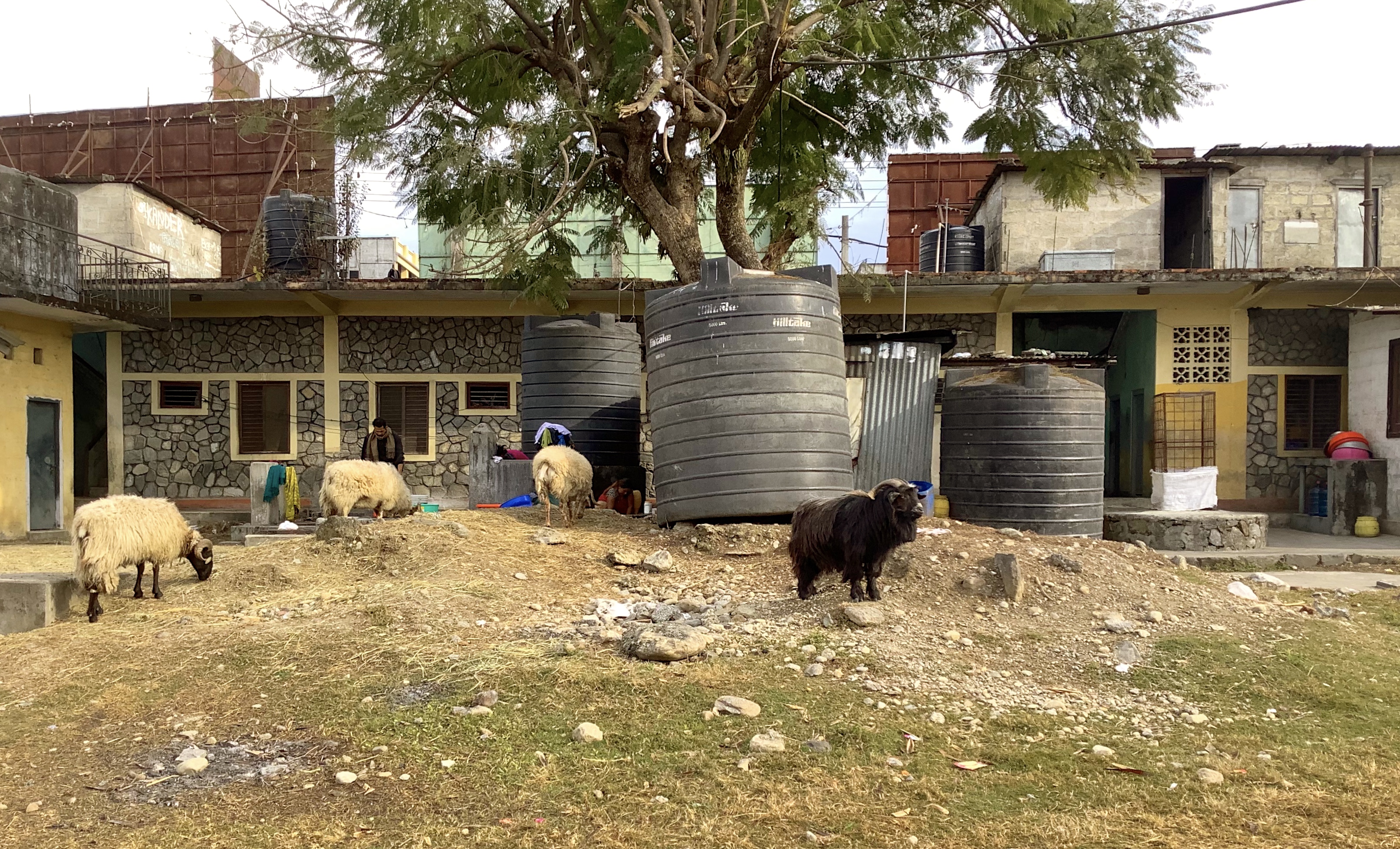
Good morning, Parljorling Camp!

Good morning, picturesque sheep!
I mistakenly posted bad info earlier about the recipients of the cameras and photography lessons. One of them is a Tibetan student, the other is a Nepali student. My apologies for the error.
The fourth and final class took place at the Annapurna Natural History Museum at Pokhara’s Prithivi Narayan Campus.
Ominous foreshadowing: this was January 21, the day the first case of Covid-19 was announced in the US. At that time the virus had made its way into the daily news cycles, but it was still mostly viewed as a China issue rather than a global problem. We thought we would see a handful of cases in other countries and then it would be contained and eliminated.
Anyway, Emma and Elizabeth collected the students and off they went.

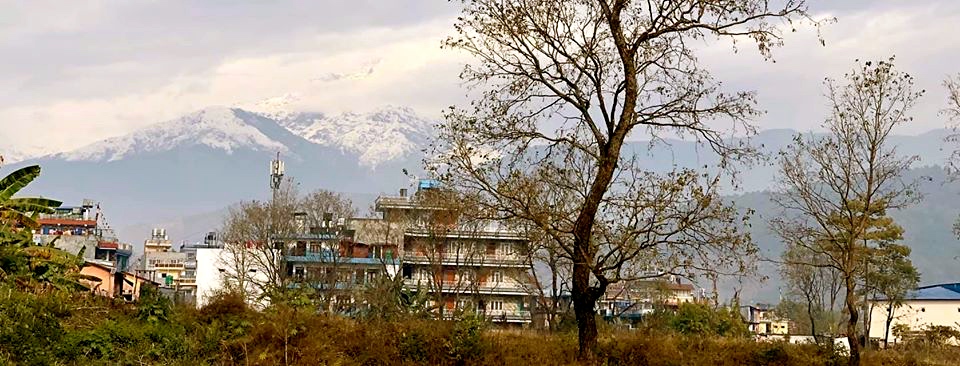
Pretty view from the college campus.

Pretty sweet front door!

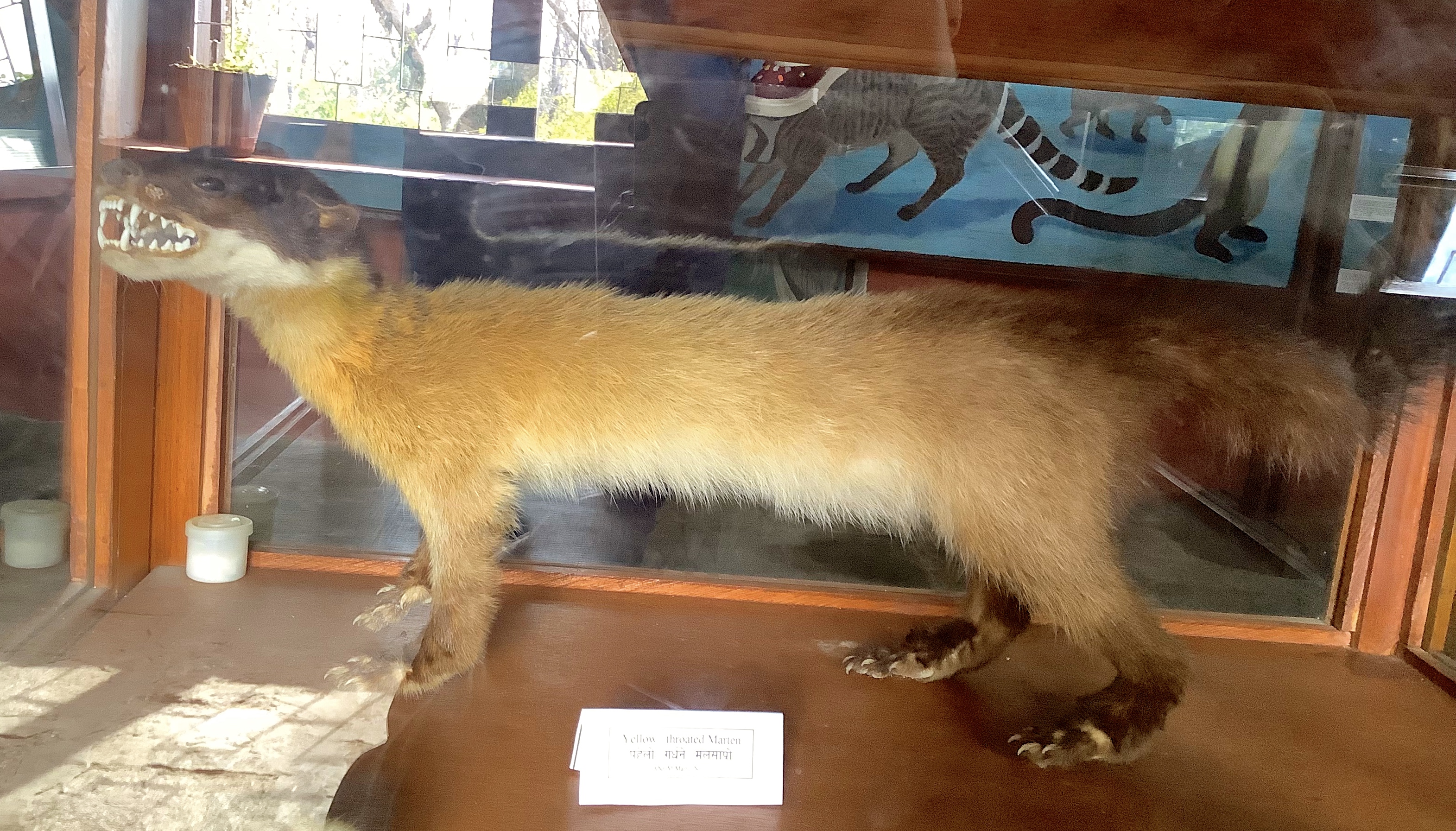
Elizabeth says the museums in Nepal are light on taxidermy and heavy on sculptures and painted images.
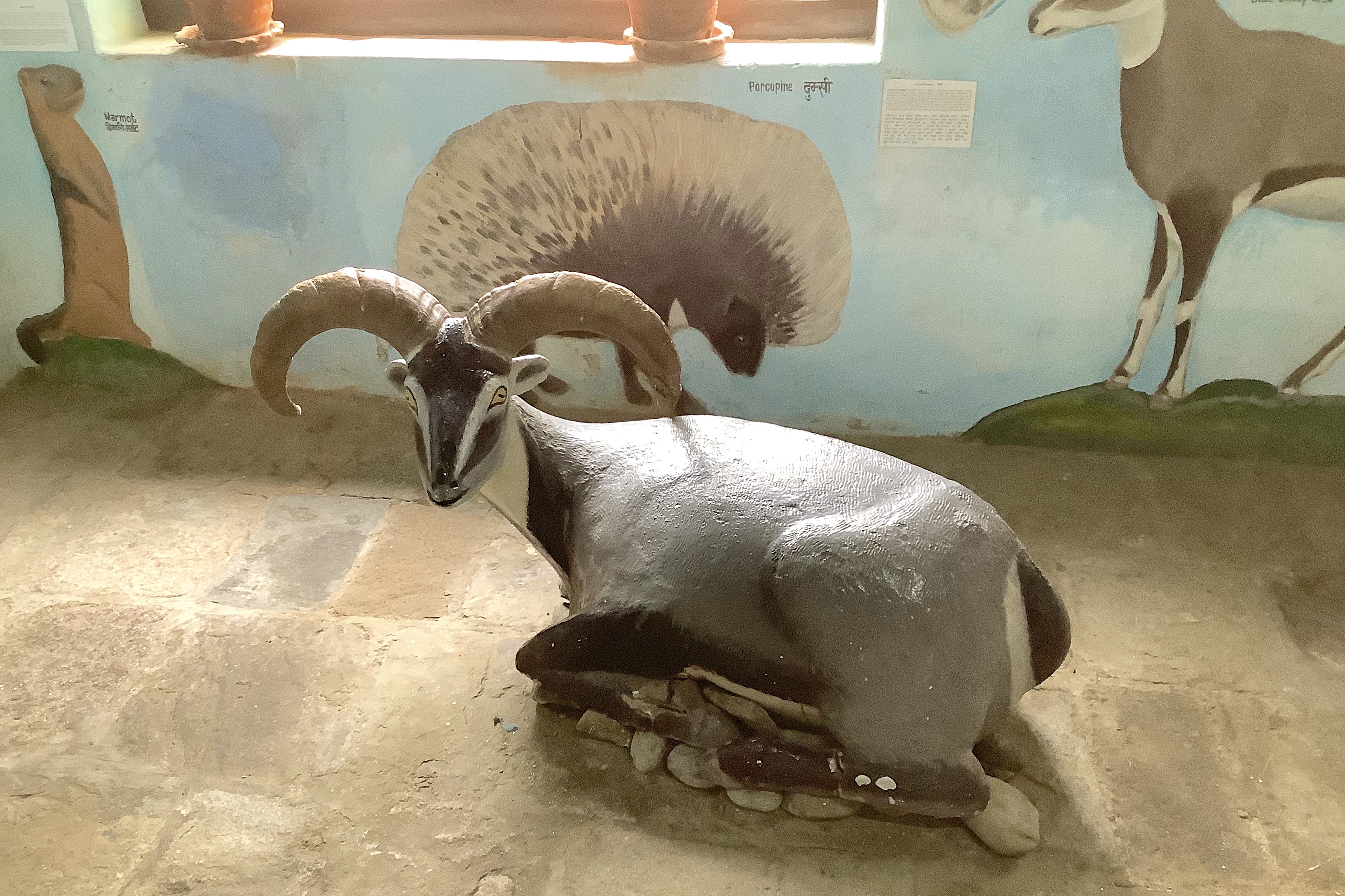

Lots and lots of birds and insects, though.
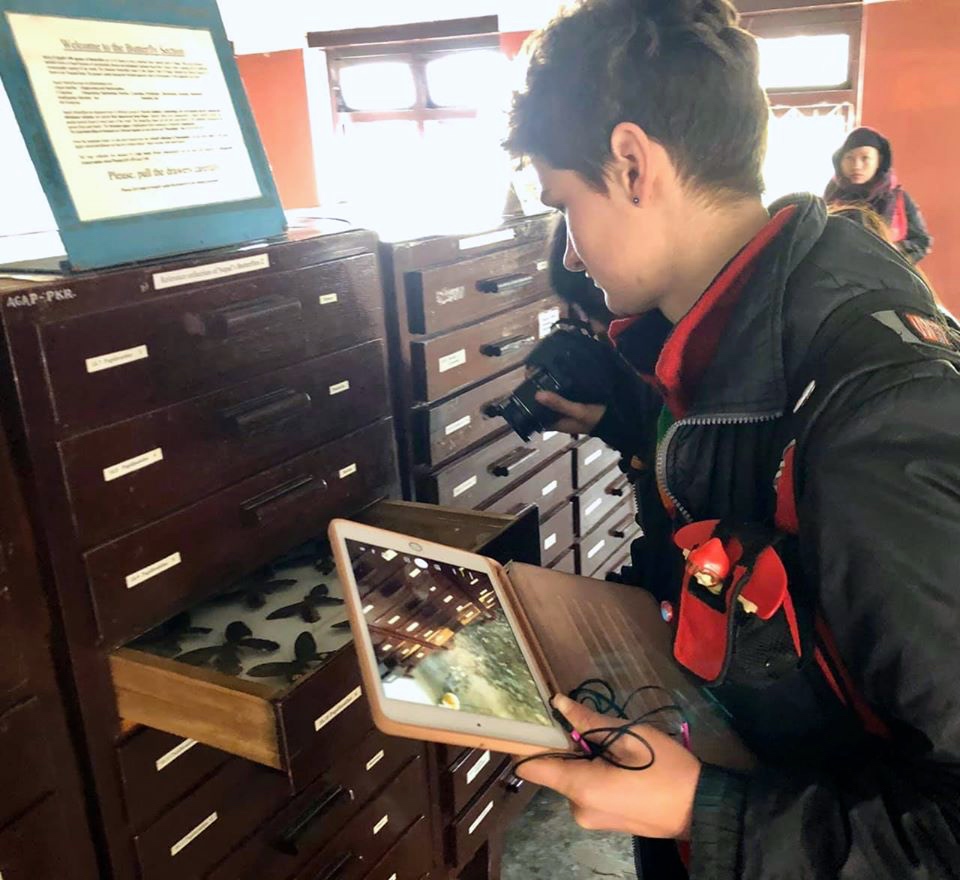
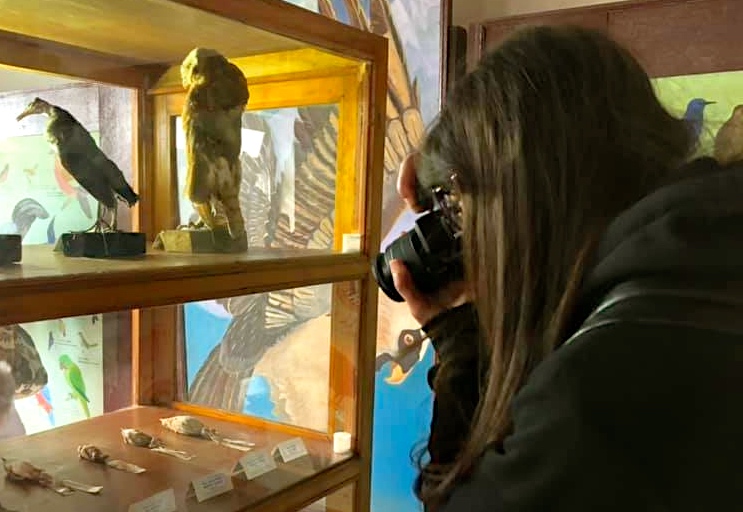
Their “lifelike” taxidermy displays are kind of terrifying/hilarious.

After the museum, back to town for lunch.

To be continued!
My creative energy is running low this week. Here is a well-intentioned but unfinished attempt at a Horned Lizard that turned out to be way more textury than I had patience for.

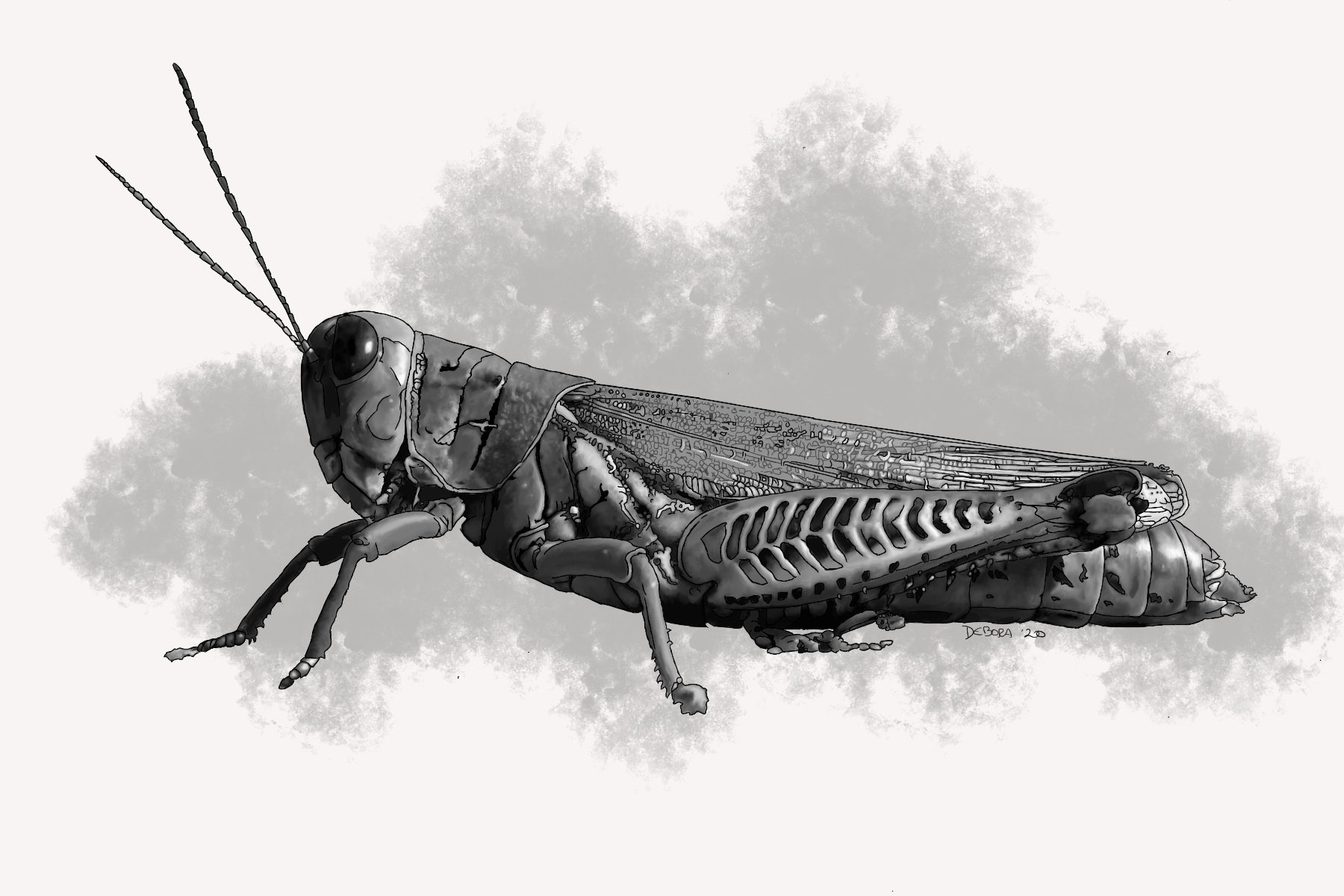
Another late and unfinished sketch. I think the lesson here is that insect wings are super tedious. I haven’t decided if that means I should draw more of them for the practice or fewer of them to keep my creative momentum going.
Anyway, I like how the rest of him turned out.
At first glance it appears to be a small coyote.
Look closer, and it seems almost like a cross between a coyote and a bobcat, oddly feline in its face and movements.
Then you see the tail, long and luxuriously full, and you know it can only be a fox.
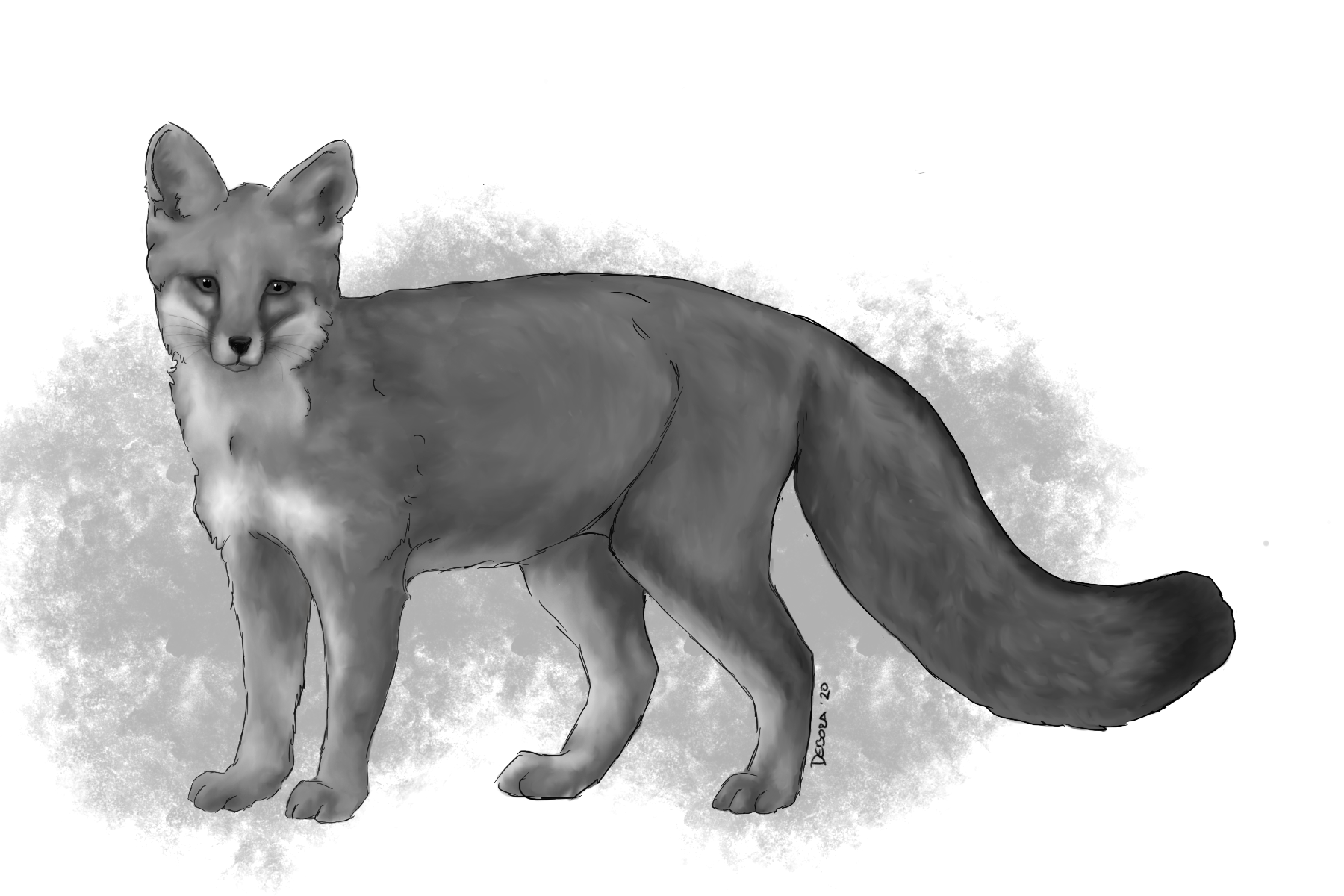
The Gray Fox is the only North American canid that can climb trees! They even like to live in trees for safety.
He makes a handsome addition to my menagerie.
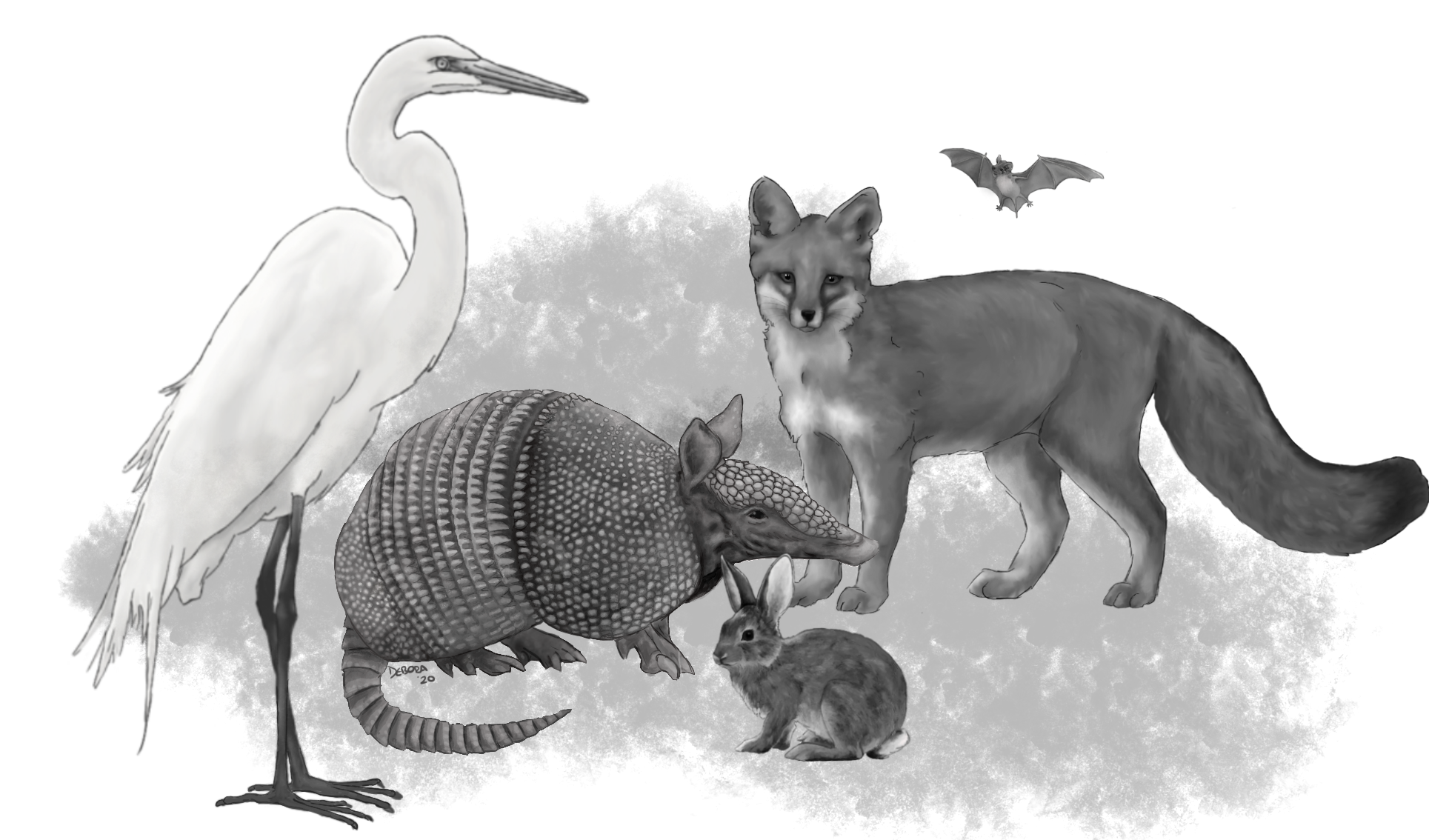
 An Invincible Summer