Gardening

Edible Perennials: No Such Thing As Too Many!

Here’s a list of perennial food varieties that I’m either currently growing, intend to plant for the first time this spring, or hope to plant in the near future. Some of these won’t be hardy in colder regions, others will thrive almost anywhere. I’ll go into more detail about each one later; this is just basically a list. Kind of a “Table Of Contents.”

Perennials I’m already growing:

Apples
Apricots
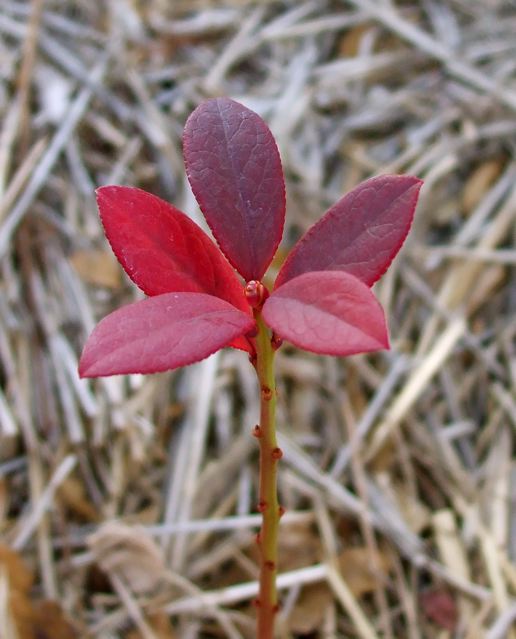
Blueberries
Garlic
Grapes
Malabar Spinach (it died back to the ground this winter though, so I’m waiting to see if the roots will survive till spring)
Mulberries
Pears
Persimmons
Plums
Pomegranates
Oregano
Raspberries
Rosemary
Sage
Strawberries
Thyme
Walnuts

*****

Perennials I’ll be planting this spring:

Alpine Strawberries
Anise Hyssop
Asparagus
Dandelions
French Tarragon
Ground cherry*
Lovage
Salad Burnett
Shallots
Sorrel
Sunchokes
Sweet Bay**
Sweet Marjoram*

*****

Perennials I hope to plant in the near future:

Air Potatoes
Blackberries
Good King Henry
Edible Hibiscus
Figs**
Perennial Broccoli
Perennial Onions
Runner Beans
Saltbush
Sweet Cherries

*****

*Tender perennials that may not overwinter in areas that get hard frosts. Not sure if they’ll work in my climate.

**Semi-tender perennials that may be damaged by hard frosts.

You can find more great suggestions in the book Perennial Vegetables by Eric Toensmeyer

Categories: environment, food, frugality, Gardening, Health, Life, Self-Sufficiency | 4 Comments

Edible Landscaping: Preface

A PARABLE:

Once upon a time, a woman moved to the country and planted a new garden in “soil” that was mostly just sand and decomposed granite.

And since this parable is also a True Story, I’ll clarify that it was the 1970’s and the woman was my late ex-grandmother-in-law.

So she fenced a sunny area and planted her garden, and the soil was very poor, and the plants struggled, and insects preyed upon them and native weeds sprang up and choked them and gophers dug in and gobbled their roots, and at the end of the first summer she didn’t have much to show for her efforts.

But she was determined to win the struggle. So year after year she dusted her plants with pesticides and fed them chemical-based fertilizers and meticulously cleared all the old plant and weed residues out of the garden before she replanted each spring so as not to spread diseases and weed seeds. And OH, the battles she waged upon those gophers! She put out traps and poisons and poisoned traps, and now and then she had her husband sit in the yard with a gun to pick them off whenever they poked their little noses aboveground. It was a bitter war, my friends, and she fought the good fight right up to the very end.

And after 25 years of this, she had more gophers than ever and her garden was basically a barren wasteland, even less fertile than when she’d started out.

************

I met this well-meaning lady about five or six years before her death. I was just getting started in gardening at the time, and I was reading a lot of books and magazines on the subject and listening to a lot of advice from more experienced folks. She had a LOT of advice for me, mostly about how to keep bugs and weeds and diseases and most of all gophers from ruining my crops.

I took a long, hard look at her garden and knew in my heart that I needed to find a better way.

So when Steve and I moved to this property one of the first things I did was to fence a sunny area and plant a garden. And the soil was very poor, and the plants struggled, and insects preyed upon them and native weeds sprang up and choked them and gophers dug in and gobbled their roots, and at the end of the first summer I didn’t have much to show for my efforts. My in-laws offered lots of advice on the best pesticides and the best traps and poisons. And I thanked them, but told them that I wanted to go the organic route if it could be done. They all laughed and shook their heads and left me to my folly.

I decided that first I would focus on improving my soil, and deal with the pest issues later. So I dug in lots of horse manure every year and discovered the magical benefits of mulching with straw, and I planted much more than I needed so that I wouldn’t have to lose sleep over a few gopher-killed bell pepper plants or an insect-chewed bed of lettuce.

It took a long time to get my soil looking like real garden loam instead of something akin to beach sand. Like, three or four years. But it did happen, and eventually earthworms showed up by the thousands, and my veggies began to thrive and glow with health and produce bumper crops.

I got a few surprises along the way. For example, the insect population in my garden became more plentiful and diverse than ever, but somehow they weren’t bothering with my plants anymore, or not enough to worry about. I learned that healthy plants growing in rich, fertile soil have their own natural defenses against insect pests. Better yet, by creating a nature-friendly environment I had unknowingly welcomed in the insects and birds that prey upon destructive bugs.

Best of all, I discovered that gophers do not like to dig in rich, mucky soil: they prefer dry sandy ground for their burrows. The blacker and richer my garden soil gets, the fewer gopher holes I see in my vegetable beds. Last summer I think they stayed out entirely, only venturing back in during the winter when pickings got too slim elsewhere.

The moral? Focus on your soil, and your plants will take care of themselves. Avoid the temptation to resort to chemical fertilizers and pesticides. They actually weaken your plants, destroy the biodiversity of your soil, and create many more problems than they solve. Learn about beneficial insects, and plant the herbs and flowers that will attract them to your garden. Mulch, mulch, mulch! Mulch holds moisture in, keeps weeds out, and gives your earthworms and other soil-builders something to nibble on.

These principles apply anywhere you plan to grow edibles, although outside of the garden fence you have other issues like rabbits and deer. I don’t get deer on my property, but rabbits will gobble up almost anything that doesn’t have a good layer of chicken-wire around it. Use common sense when planting young, vulnerable perennials, and keep them protected until they’re big enough to take care of themselves.

Next: best varieties for edible landscaping!

Categories: environment, food, frugality, Gardening, Health, Life, Self-Sufficiency | 2 Comments

Self-Sufficiency: Not Just For Tree-Hugging Hippies Anymore!

When my marriage ended, my Immediate Goals suddenly became very basic and specific. I didn’t want my children to be homeless. I didn’t want the three of us to be hungry. I didn’t want us to freeze to death when winter came. And if at all possible I didn’t want Luke and Elizabeth to suffer the emotional devastation that I went through as a child when my own parents divorced.

The homeless issue settled itself: Steve’s parents welcomed him back into their home with open arms, he was happy to move back in with them, and they all wanted Luke and Elizabeth to remain close by. So the kids and I have stayed here in the only home they remember, and for the most part that’s worked out fine for everyone.

I spent last summer and fall collecting firewood the way a squirrel hoards nuts, and barring any unexpected natural disasters it looks like I can safely check “Do Not Freeze To Death” off of this year’s list of goals.

Emotionally, the kids have actually thrived far better under the new arrangement than they did during the marriage. Luke is practically a new person, open and confident and affectionate and so much happier than the wary, slightly neurotic child he was only a year ago. Elizabeth…well…honestly, who knows WHAT goes on in Elizabeth’s head? But she seems to be comfortable with the new status quo. And she has requested that I not remarry, because things are so nice just the way they are. Yeah, I’ll, um, take that under advisement.

That just left the food issue. And it was kind of a global issue at the time of our separation, with worldwide food shortages and scarcity riots hitting the news and some grocery stores beginning to ration rice, and food prices in general soaring to new heights. What I really wanted was to reduce or eliminate my dependence on others for our daily meals, as much as possible.

I already had a great garden, but when Steve lived here most of our food came from the store. After he left I began to experiment with different kinds of meals, things I could prepare from whatever was growing on hand, and our grocery bills dropped dramatically. Last summer we ate like kings just on produce from the garden and orchard and the homegrown beef in the freezer, and nobody missed the old menu.

But I still felt dependent — on the seed companies. What if some year I couldn’t buy seeds for whatever reason? Or what if something happened and I wasn’t able to do the big spring planting job? What would we eat then? I started looking into edible perennials: plants that, once established, will live for years or decades and produce bigger crops every year. And I discovered that there are TONS of perennial options that I never even knew existed! Seriously, I could almost do away with the annual crops completely, if I weren’t so fond of tomatoes and bell peppers and those troublesome watermelons.

The subject of food gardening seems even more relevant now, with the economy tanking the way it is. A lot of folks are talking about putting in victory gardens, even if they’ve never grown anything before.

So I’m going to start a new series here about perennial food plants and edible landscaping. Not everyone has the space to set aside a big garden plot, but almost anyone can incorporate edibles into their yard in creative and attractive ways, and reap the benefits in health, food quality and financial savings.

Stay tuned!

Categories: Family, frugality, Gardening, Health, kids, Life, Self-Sufficiency | 7 Comments

Ripples

I think part of the reason I haven’t been blogging as much lately is because somehow along the way I’ve become reluctant to share the beginnings of things without knowing where they’re going. I don’t necessarily want to talk about some new direction my path has taken until I know whether it’s an onramp or just a cul-de-sac.

But that kind of defeats the whole purpose of personal blogging, doesn’t it? Journaling is ABOUT the path. It’s not like anyone ever really ARRIVES anywhere anyway. I think a blog should celebrate — or at least document — all the little steps that lead from Point A to Point Q and beyond.

Back in August when the new school year began, I was kind of foundering emotionally. You may have noticed. Steve and I had just had our final not-even-attempting-to-be-friends-anymore break, all of my close old friends lived in other states that joint-child-custody rules prevent me from moving to, and I was beginning to realize that the group of local friends I’d been reconnecting with were basically all part of the same…culture, social strata, lifestyle, etc…as Steve, and deep down they really saw nothing particularly shocking or even unusual in his behavior.

I desperately wanted to move forward, but I was at a loss as to how or where to go.

On a whim, I volunteered to help out with a school fundraising project. That led to meeting a woman who invited me to join her walking group. And that led to meeting other women and hearing about a church they were sure I’d like.

It didn’t take me long to figure out that school fundraising projects aren’t really my cup of tea, and I had to let the walking group go when I added up how much I was spending on gas driving to and from the meeting-place every morning. But the church was definitely a keeper, and I would never have gotten there if I hadn’t taken all those other steps that led me to it. Everything is relevant, is what I’m getting at.

I have more to say about the church and what a wonderfully healing thing it’s been for me, but I think I’ll give that its own post later.

*****

On the ranch front, Steve has hauled all of his cows and calves out of the Trinity pasture and will soon be taking the corral panels out as well. Right now his cattle are in his home arena; some of them will be going to the sale and the rest he will be putting in with his dad’s herd across the street. In other words, he’s not so much “getting out of the business” as “cutting me loose to sink or swim on my own.” And that suits me fine, now that I’ve sat down and planned out most of the logistics. I’m actually pretty excited about the whole thing.

*****

I haven’t written much about Mahogany this winter, mostly because the things I’ve been working on with her aren’t really edge-of-your-seat material. But we’ve made huge progress in that simple but crucial ability to pull a bridle over her ears without the whole rodeo thing going on. Anyone who’s worked with horses knows what a big deal that is. At the risk of totally jinxing myself, I will venture to say that Mahogany’s INTENSE ear-handling issues might be completely a thing of the past by the end of this summer. That would be pretty sweet.

*****

My quest to grow as much of my own food as possible is expanding this year with the addition of several new crops and edible landscape plants, but I think that merits another post all its own too. It’s a pretty big subject, and one that I have a lot to say about.

*****

So I guess this post is about small beginnings that may or may not grow into big changes. You make a decision to put an oar into the water and the ripples begin to spread out in unpredictable ways.

I love that life is like that.

And now I see some sunshine outside that needs to be soaked up. I’d better go take care of that….

Categories: Christianity, Family, Friends, Gardening, Horses, Life, Ranching, Self-Sufficiency | 3 Comments

Wordless Wednesday: Last Days Of Autumn

blgbeeflr

blgfll2

blgfll3

Categories: environment, Gardening, Life, Weather, Wordless Wednesday | 4 Comments

Blog at WordPress.com.