food

Spring Garden

“To own a bit of ground, to scratch it with a hoe, to plant seeds, and watch the renewal of life – this is the commonest delight of the race, the most satisfactory thing a man can do.”
–Charles Dudley Warner

I’ve finally gotten all my spring veggies planted, and most of my summer ones. This has been an unusually cool spring, but I didn’t want to wait any longer to get everything in the ground. We had a totally unexpected hard frost a couple weeks ago that decimated my bell peppers and eggplants, but other than that things are looking really good. I replaced the frost victims with new seedlings and I’m keeping a much closer eye on the weather now, so I can cover up the tender stuff with straw should the need arise.

Here’s what my garden looks like right now:

As you can see, I’m all about the mulch. You really can’t garden without it in this arid climate. It holds moisture in, blocks weeds, adds organic matter to the soil as it decomposes, and keeps the plants’ roots cool so they don’t burn up in the broiling heat of summer. Gotta have the mulch!

I’ve gone in a slightly different direction this year with my crop selections. The more I read about Colony Collapse Disorder, the more concerned I get about the effects of genetically modified plants on the beneficial insects that come into contact with them. This has inspired an interest in preserving old heirloom and open-pollinated varieties of crops. The added bonus here is that I can save the seeds my plants produce and they will breed true year after year, unlike hybrids.

So I’ve switched from my usual super-sweet hybrid corn to the old favorite Golden Bantam. Instead of my beloved Hybrid Packman broccoli I’m trying an Italian heirloom variety called Di Cicco. I couldn’t give up hybrid tomatoes completely — gotta have my Early Girl and my Sweet 100 Cherries — but I’ve added Red Brandywine and Roma this year.

What I’ve planted so far:

Arugula
Beets
Broccoli
Carrots
Eggplants, Black Beauty and a Japanese variety called Ichiban
Garlic
Green Beans, Kentucky Wonder
Italian Parsley
Kale, two different varieties with really long names
Lettuce, several different varieties
Malabar Spinach
Melons, an Amish cantaloupe type
Onions, Walla-Walla and Yellow Ebenezer
Oregano
Peas, Snow and Sugar Snap
Potatoes, Yukon Gold
Radishes
Red Cabbage
Sorrel
Sweet Corn
Swiss Chard
Thyme
Tomatoes
Watermelon, Crimson Sweet and Garrison

I’m going to put in some pumpkins later; I’ve learned not to rush that. Nothing worse than pumpkins that are ripe in August and rotten by Halloween!

I also put in a bed of strawberries, but that’s a post unto itself.

I’m having the usual luck with my watermelons so far — which is to say, very little — but I think that’s another post too.

Here’s hoping for warm weather, no more frosts, and just enough rain!

Categories: environment, food, Gardening, Life, Weather | 3 Comments

Moving On

Sorry about the long absence. Been dealing with some life changes, and apparently the first thing to go was my usually compulsive need to write.

With crushing irony in light of last month’s romantic marital musings, Steve and I have separated. It wasn’t any lack of love that ended the marriage; we were just too different. Different goals, different values, different interests. During our almost-twelve years of wedlock both of us compromised and sacrificed so much of ourselves to make the marriage work, that by the end we both felt like we’d lost touch with who we really were. Letting go of the struggle was almost a relief.

It was all as amicable as a breakup can possibly be. He kept what was important to him and I kept what was important to me; there was no overlap, nothing we both wanted enough to argue over. That’s a sort of sad commentary in itself, I suppose.

I love this house and Steve doesn’t much care where he lives as long as there’s room for his band equipment, so I stayed here and he moved back in with his parents a quarter-mile up the road. They seem happy to have him: the prodigal son, back safe where he belongs at last. The kids took it hardest, but we’ve made it as easy as possible for them and they seem to be adjusting well.

I could go on and on about all the effort that went into this marriage and why it ultimately failed, but…I don’t feel like it.

So. Moving on.

To celebrate my birthday I did something that I was never able to do with the city-phobic Steve: I took the kids to visit one of my favorite old stomping grounds, the Mission Avenue part of Riverside. I used to live on the corner of 7th and Locust, within walking distance of the library and museums and everything, and my memories of that area are warm.

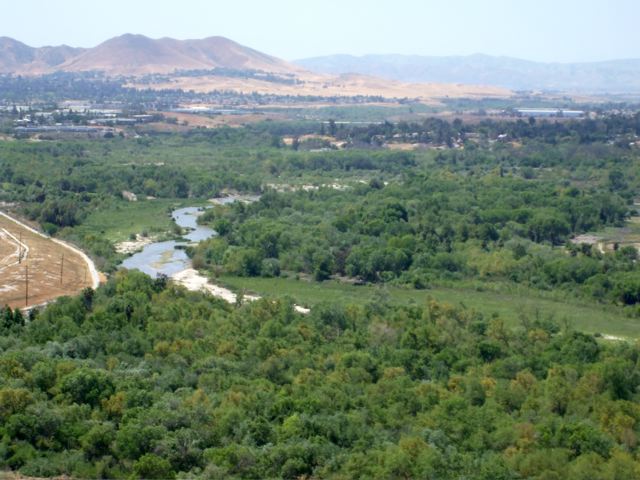
We started the day with a climb up Mt. Rubidoux. The weather was gorgeous, and all the winter rain made the scenery a lot greener than usual. The Santa Ana riverbed wound lush and verdant alongside the city’s edge, looking nothing like its usual sandy deserty self.

We took the “down road” up. Steeper, but shorter.

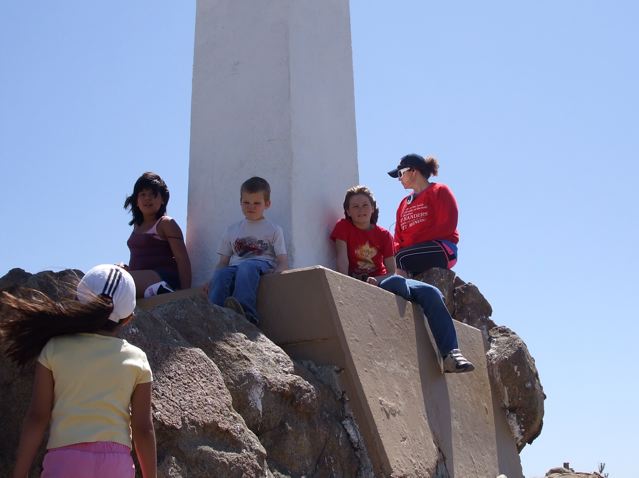
The cross at the summit. Its sheer size never comes across in photos:

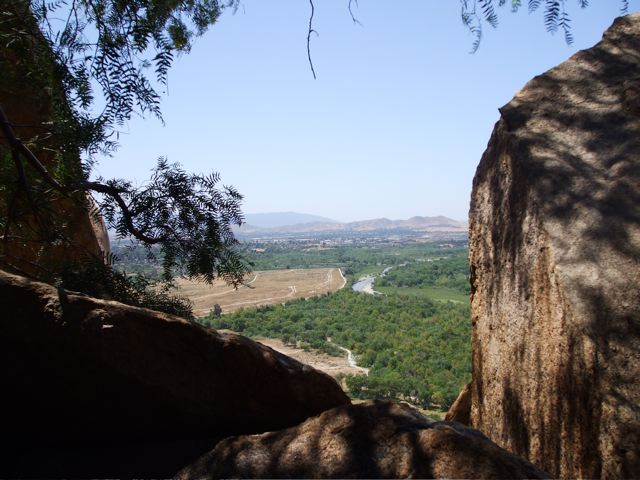
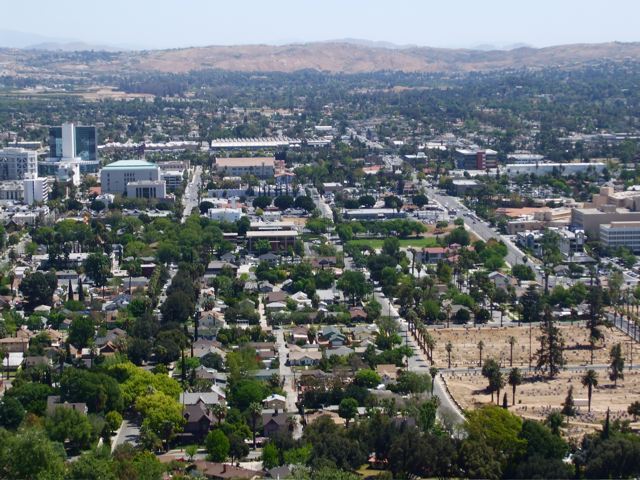
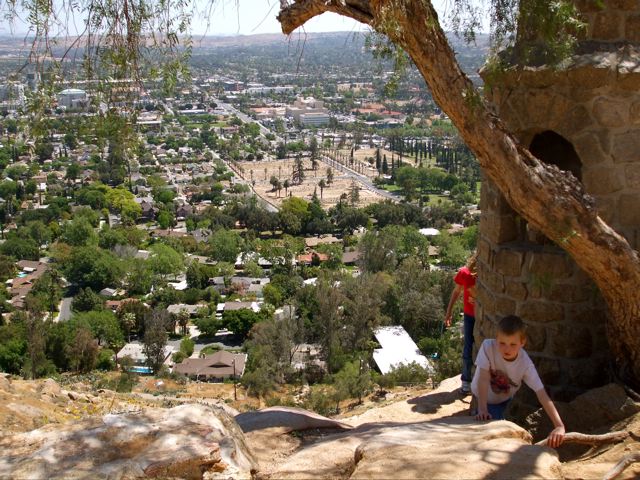
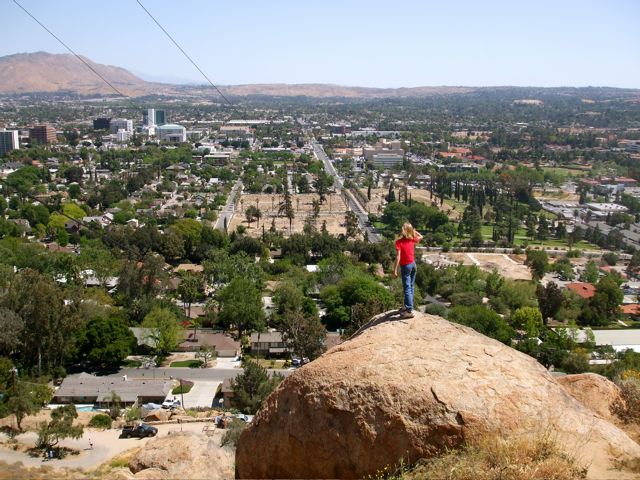
The view from the top:

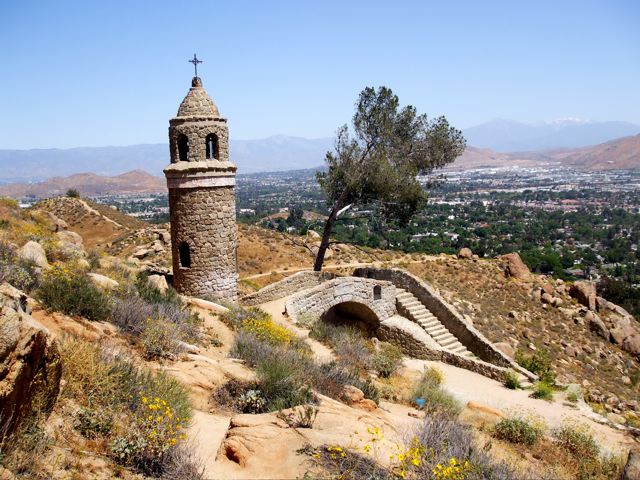
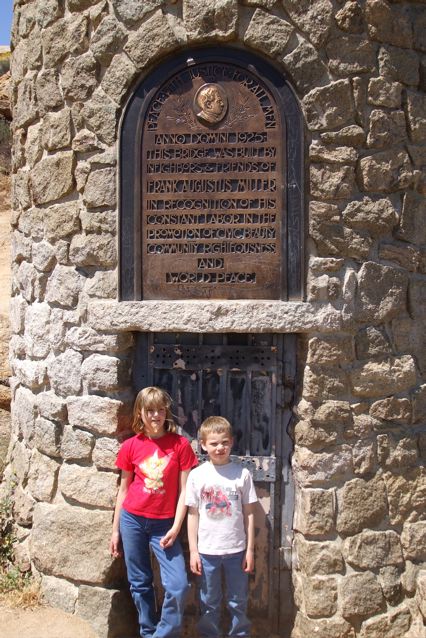
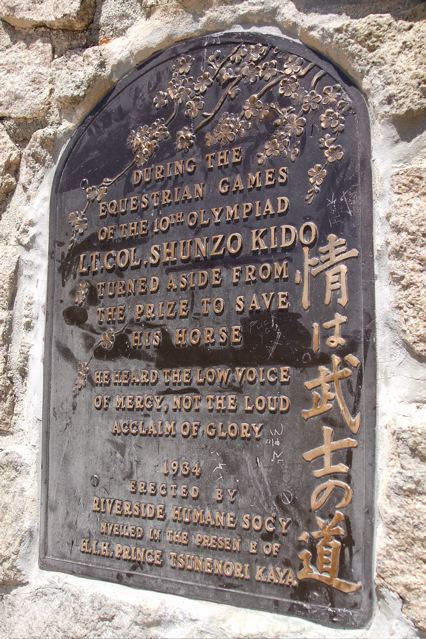
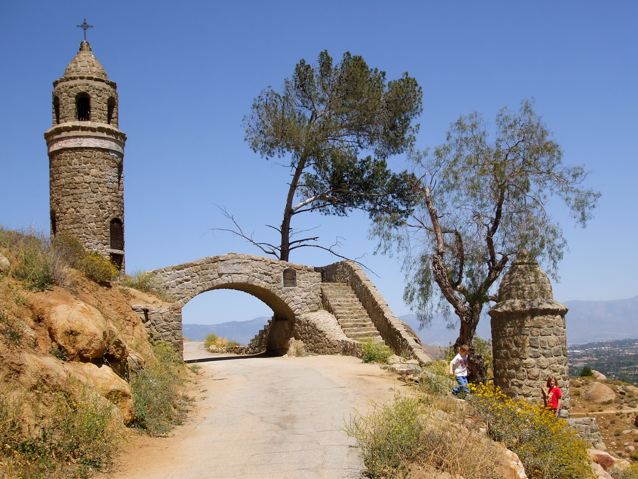
The Friendship Tower and Peace Bridge:

Elizabeth likes livin’ on the edge. In each of the next three pics, she is inches away from bone-breaking drops:

At the base of the cross:

On the way down we skipped the roads and took a footpath:

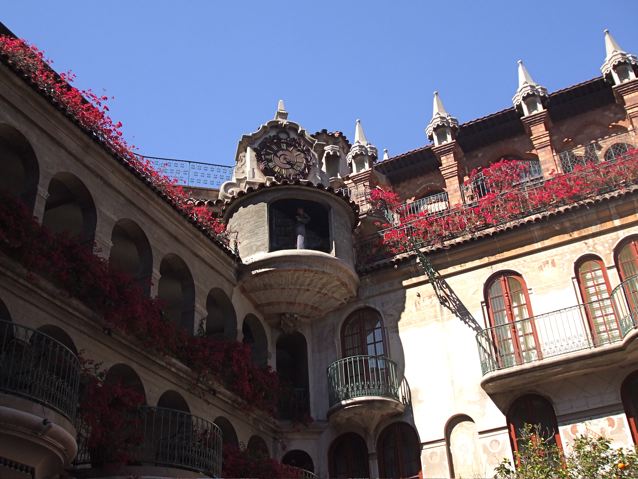
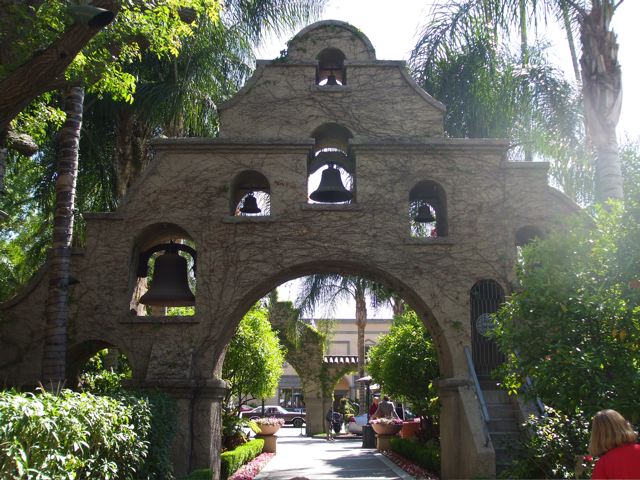
Our next stop was the Riverside Marketplace. We wandered through all the beautiful shops, and picked up some fun trinkets for the kids. Then to the Mission Inn, to admire the wonderful courtyards and all the incredible details.

Then we headed over to the Natural History Museum, which I’ve loved since I was a kid.

By then the kids were starting to get tired, so we called it a day and headed homeward. We stopped in Temec for a nice supper, and got home just as dusk was falling. In spite of all the personal drama going on right now, I think it was the nicest birthday I’ve had in years. It felt like…a new beginning.

Categories: Family, food, Gardening, kids, Life, Love, Marriage, Travel | 6 Comments

Winter Garden, Part 3

With spring looming on the horizon, this seems like a good time to record what I’ve learned this winter about growing cold-weather crops in containers with no protection from the elements other than the south wall of the house itself. It all pretty much boils down to two important things:

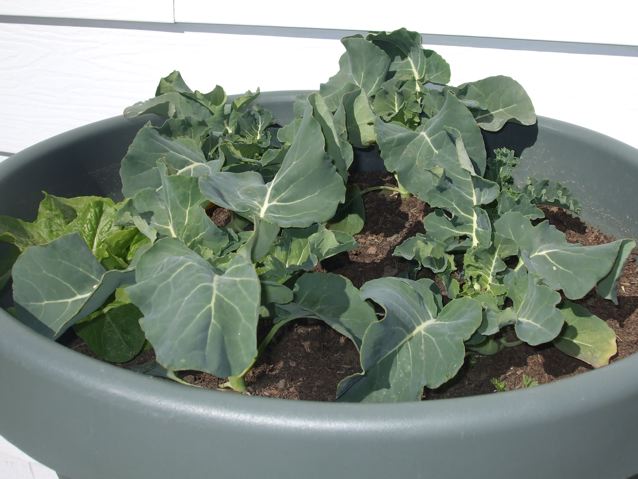
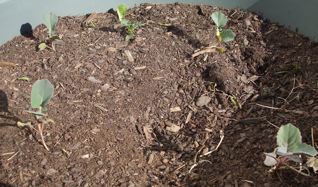
1. Stuff grows a whole lot slower in cold weather than it does in warm, sunny weather. That sounds like a no-brainer, but I was really surprised at how *much* slower everything grew. I planted in mid-November, and have yet to harvest any mature plants. I’ve had a few nice salads made from thinnings, but by mid-February I’d really expected more. Here are my little broccoli transplants that I moved into their own planter in December:

wgrdn2.jpg

Granted, this has been an unusually cold winter for SoCal, so maybe in a more typical winter I’d have been harvesting broccoli florets by now.

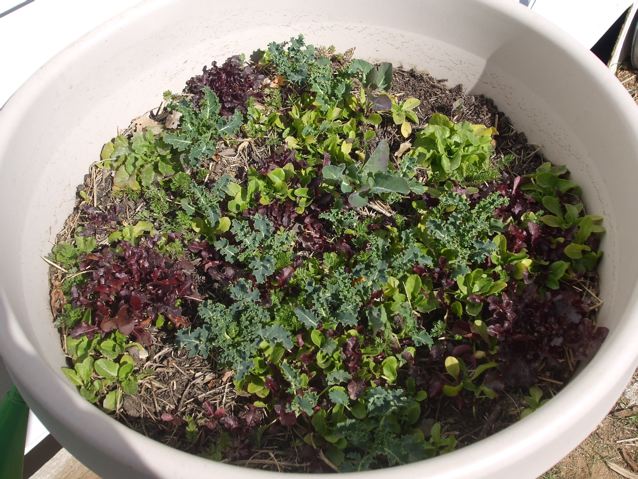
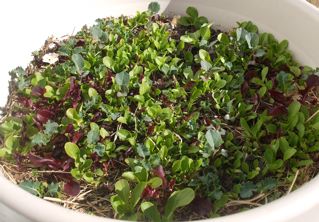
2. Stuff grows REALLY slow when it’s crowded. I overseeded my original planter, and every time I thin out the seedlings more seedlings sprout. This overcrowding has seriously stunted the development of the little plants. Behold:

wgrdn1.jpg

As you can see, these are really tiny for three-month-old lettuces and kale.

So to summarize, this fall I will plant my winter garden a few weeks earlier and use a lot fewer seeds.

One other interesting thing I learned from my experiment is that carrots grow just fine here in the winter, but radishes apparently won’t even sprout in cold weather. At least, mine didn’t. This surprised me, since I’ve always understood them to be a cool-weather crop. It might have been a fluke, I guess; maybe the radish seeds were defective. I’m going to try them again next fall, just to see.

And now it’s time to start preparing my spring/summer garden bed….

Categories: food, Gardening, Life, Weather, Winter | 3 Comments

My Tiny Winter Garden, Part 2

[Part 1 can be read here.]

wg2.jpg So far my little garden has flourished, through snow and ice and howling winds and unseasonably frigid temps.

I’ve found myself getting a bit impatient at how slowly the little veggies are growing; they’re a fraction of the size they’d be by now if the weather had been warm and sunny this December.

One thing I’ll do differently next time is to scatter less seed. I’m constantly thinning out my sprouts, and they’re still crowding each other. I could have used one third the amount of seeds and still had plenty.

I’m pleasantly surprised by how tasty the kale seedlings are. I’ve never grown kale before, and never liked the version of it they sell in supermarkets. But I keep hearing that it’s one of those crops you have to grow yourself to appreciate, so I tossed it into my winter garden to see for myself. So far I’m loving it!

wg3.jpgA week or so ago I bought a second big planter and transplanted a few of the crucifers into it. I can’t tell the the broccoli from the radishes at this point, so I can only hope that I got two or three broccoli seedlings into the new planter (since that’s its intended purpose).

I plan to put in bigger, more permanent beds all along the south side of the house this spring. My first thought had been to build them out of cinderblock, but Steve offered the truly brilliant suggestion of using big galvanized water troughs instead. I love this idea! Horse troughs are decorative, impervious to rot and weather, and someday when we move we can just empty them and bring them with us!

So this spring I’m looking forward to planting asparagus and strawberries, two crops that my garden’s perpetual bermudagrass infestation won’t let me grow down there. I’m very excited about this!

Categories: food, Gardening, Life | Tags: | Leave a comment

December Watermelons? Who Knew?

I’ve not had a lot of luck growing watermelons in my home garden. The climate’s all wrong for them: at this elevation we get hot, dry days and cool (often cold) dry nights for most of the growing season. Watermelons want moist heat around the clock to really thrive, which is why they tend to grow so well in the deep South.

Still, I do love watermelons, so I keep trying every year. And I have noticed that as my soil gets richer from one summer to the next, the watermelon seeds I plant have begun to at least concede the possibility that they may eventually become productive. I get vines, and sometimes even one or two edible melons.

I should mention that my food garden is fertilized only with horse manure. We have plenty of horses, so there’s no shortage. I’ve had people tell me with great conviction that horse manure is bad for a vegetable garden: it’s too strong, or it’s not strong enough, or it has the wrong nutrients in it, and so on. In response I can only point to the glowing, productive health of my vegetables (not counting the darn watermelons of course), and keep piling on the manure.

It’s true that timing is important when you’re using fresh manure. Where I live the ground doesn’t really freeze solid in the winter, so I do my soil prepping around January or February as the weather permits. First I rake off all the remains of last summer’s crops. Then, because Bermuda grass is the unending bane of my gardening experience, I go through the entire garden and dig out all the evil invading rhizomes that have crept into my soil from the surrounding areas since last spring. I can’t dig them out over the summer without uprooting my crops along with them. Yarg!

Once the garden is thoroughly tilled and weedfree, I bring in the horse manure. I like to spread a good four-to-six-inch-deep layer on top of the broken-up soil. Ideally at this point a nice helpful rain will come along to water it in, but if the weather’s not that accommodating I just turn on the garden sprinkler for a few hours.

A few days later, or whenever the soil is still moist but no longer wet, I till again, digging the manure deep into the ground. Then I let Mother Nature handle the work of composting, which she does admirably: by spring planting time there are literally millions of earthworms going about their business in my soil, and the manure is rotted enough to be safe for seedlings.

The earthworm thing didn’t happen right away. When we first moved to this property the “soil” was really just sand and decomposed granite; nothing grew very well in it other than mustard weed, wild buckwheat and sagebrush. For the first few years I had to buy bags of planting mix from the nursery just to create pockets of soil that veggies could struggle along in. More than once I was tempted to use chemical fertilizers to boost things along (I managed to resist). The horse manure I piled on every winter seemed to vanish without a trace by the following winter. (Actually it still vanishes, but since my garden soil gets blacker and richer every year I assume the manure is playing its part in the great circle of life.)

Then I discovered the magic of mulching with straw, and things started turning around in a big way.

Wow, I’m seriously digressing here, aren’t I? This post was supposed to be about watermelons. I’ll get into mulching and fertilizing more in another post.

So, watermelons. The one crop I can’t seem to succeed with. Occasionally I’ll get a melon or two, but if I don’t pick them THE INSTANT they ripen, they very quickly rot right back into the ground. Even the earthworms seem to be against me here: they’ll wiggle up through a solid layer of straw mulch to nibble happily on the rind of a ripe watermelon.

Then there was this spring: the strangest planting experience I’ve ever had. Half the crops I planted simply declined to sprout. My soil has become so rich now that I normally only have to wave a packet of lettuce seeds at the ground and pretty soon there’s lettuce everywhere, but this year…not so much. I planted my carrot bed twice and got no carrots. Ditto with the cantaloupe seeps and the watermelon seeds. I got a handful of beets, but not nearly as many as I’d planted. Only half the corn I planted grew. My early lettuce crop sprouted, but the later planting didn’t. It was Puzzling, to say the least. It’s like the seeds somehow knew what a horrifically dry year we were going to have, and wanted to save themselves for a better year or something. Even the bell peppers, usually one of my most productive and gratifying crops, did not much of anything this year. It was always to hot or too cold for them — by the time they finally set fruit, Fall was moving in. The tomatoes, potatoes, onions, garlic, herbs and broccoli did well, but even the tomatoes and potatoes didn’t really have a stellar year.

Watermelons. Right. Focus!!

When my watermelon seeds didn’t sprout, I planted more. When those didn’t sprout, I picked up a seedling at the nursery and planted that. It sat there and sulked for a few weeks, then decided to grow. To my pleased surprise, it actually produced some very nice melons, two of which I enjoyed over the summer, and a third that I found all ripe and ready when I returned from my road trip at the end of October.

I saw another watermelon developing when I picked that last one in October, but I pretty much wrote it off. I figured a frost would get it long before it ripened.

So last Sunday I was down in the garden picking an onion for supper. I like to let the onions stay in the ground until they’re needed, since we don’t have a root cellar to store them in. They stay nice and fresh out in the garden.

Anyway, it was snowing Sunday, and all the tender summer crops were dead and blackening and kind of sludging back into the earth the way they do, and sitting there in my watermelon patch amid the dead remains of old vines was a perfectly lovely looking watermelon! It looked as fresh and ripe as a summer day. Apparently the cold weather had sent the earthworms into hibernation before it had ripened enough to appeal to them.

Out of sheer curiousity I picked it and brought it up to the house along with my onion. I wasn’t expecting much, I just wanted to see what the inside of a watermelon looks like in December. I washed it off and sliced into it.

And it was good! Crisp and sweet and juicy and red, in spite of all the hard freezes that had killed off its mother vine. It was like, I don’t know, a pumpkin or a winter squash, impervious to ice. I didn’t know watermelons could do that!

So I’m thinking next summer I’m going to try setting each young watermelon on something that earthworms and soil microorganism can’t chew their way through, like maybe pieces of wood planks, and see if they’re a bit more durable that way. Who knows, I might actually start having some real success producing watermelons!

I hope so, ’cause I do loves me some watermelons.

Now if only we don’t have another bizarro spring like that last one….

Categories: food, Gardening, Life | Tags: | 4 Comments

Blog at WordPress.com.